Understanding Smart Home Technology
As we step into the age of technology, the concept of smart homes is gaining momentum among homeowners and tech enthusiasts alike. A smart home integrates various devices and systems through the internet, offering unparalleled control and convenience. From smart locks to automated lighting and security systems, these technologies aim to enhance living spaces, making them more accessible, secure, and energy-efficient. By investing in a smart home system, you can transform your living experience, making everyday tasks less tedious and more enjoyable.
When exploring options, جهان اسمارت provides comprehensive insights into the latest advancements in smart home technology, making it easier for consumers to make informed choices.
What is a Smart Home?
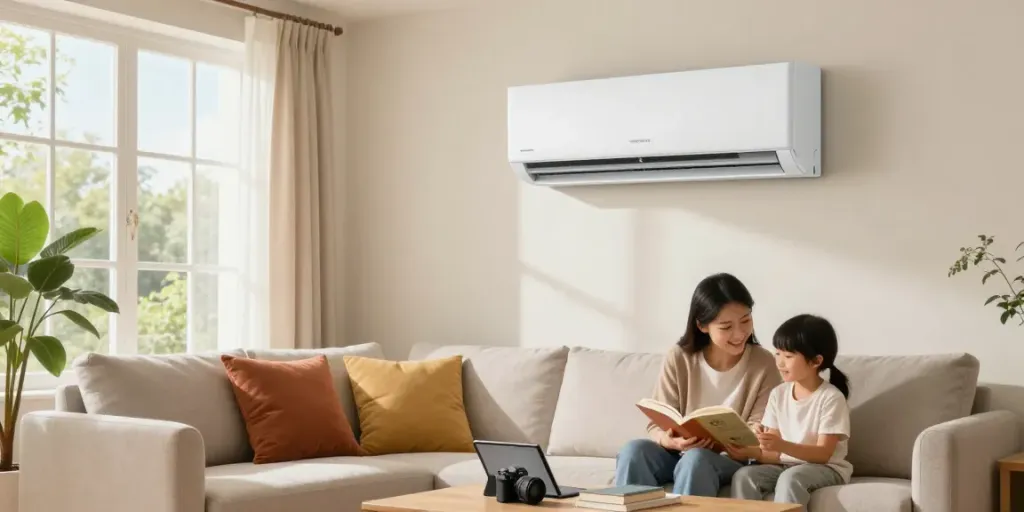
A smart home is essentially a residence that uses smart devices connected to a network, allowing users to monitor and control various home functions remotely or automatically. This includes heating, air conditioning, lighting, security systems, and other functionalities critical to modern living. By integrating AI (Artificial Intelligence) and IoT (Internet of Things), smart homes can learn from residents' habits, thereby optimizing performance and energy usage.
Key Components of Smart Home Systems
A smart home system comprises several interconnected devices that work in unison. Below are key components:
- Smart Security Devices: Cameras, alarms, and smart locks that enhance home security.
- Smart Thermostats: Manage heating and cooling systems automatically based on your preferences.
- Smart Lights: Control lighting remotely or set schedules for automated adjustments.
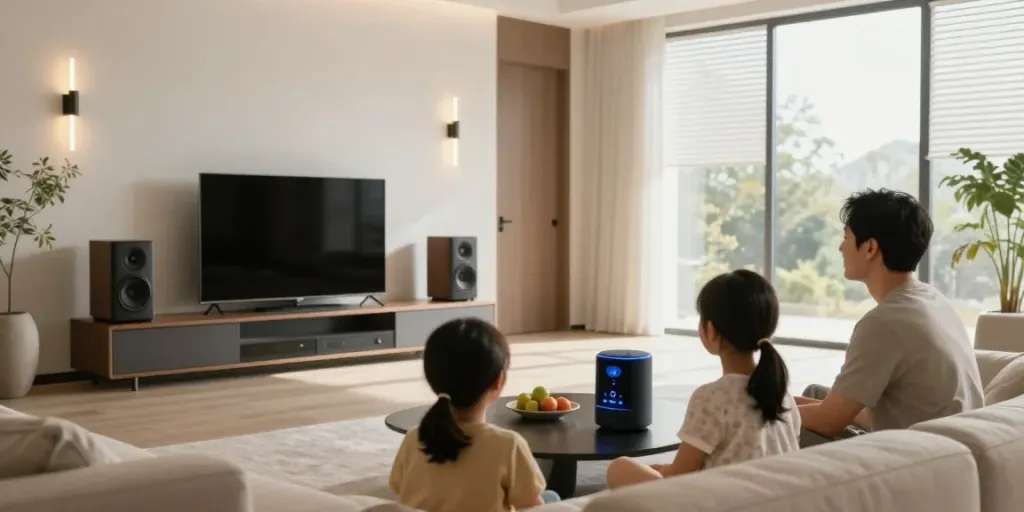
- Smart Speakers: Assist with voice commands to control other smart devices.
- Smart Appliances: Devices like refrigerators and ovens that can be monitored and controlled remotely.
Benefits of Smart Homes Explained
The advantages of smart home technology are numerous:
- Enhanced Convenience: Control devices from your smartphone or tablet.
- Increased Energy Efficiency: Reduce energy consumption through automated systems.
- Improved Security: Monitor your home in real-time, even when you're away.
- Increased Property Value: Smart homes often attract buyers and tenants.
How to Choose Smart Devices
Essential Smart Devices for Beginners
Starting your smart home journey can seem overwhelming, but focusing on essential devices can simplify the process. Here are a few suggestions:
- Smart Lighting: Start with smart bulbs or smart plugs to control existing fixtures.
- Smart Speakers: Devices like Amazon Echo or Google Nest are great for controlling other devices and providing information.
- Smart Thermostat: Consider a thermostat that learns your habits for optimal heating and cooling.
Evaluating Features and Compatibility
When choosing smart devices, compatibility with existing systems is critical. Look for devices that support popular protocols like Zigbee, Z-Wave, or Wi-Fi. Additionally, assess features like user-friendliness, automation capabilities, and integration with virtual assistants.
Top Brands in Smart Technology
Several brands lead the smart home industry, including:
- Philips Hue: Renowned for its smart lighting solutions.
- Google Nest: Offers a range of smart home products, including security cameras and thermostats.
- Amazon: Known for Echo devices that serve as smart hubs for various integrations.
- TP-Link: Provides affordable smart plugs and lighting options.
Installation and Setup of Smart Home Systems
DIY Installation vs. Professional Services
Deciding between DIY installation and hiring professionals is essential. Many smart devices are designed for easy installation, allowing tech-savvy users to set them up without assistance. However, complex systems, especially those integrated into existing wiring, may require expert knowledge. Weigh the pros and cons based on your comfort level and the devices' complexity.
Step-by-Step Setup Guide for Smart Devices
For a successful setup, follow these general steps:
- Choose your smart hub: This will be the central point for your devices.
- Install the devices: Follow the manufacturer’s instructions for installation.
- Connect to Wi-Fi: Ensure your devices are connected to the home network.
- Download respective apps: Most devices have dedicated apps for control and setup.
- Configure settings: Tailor each device's settings within the app for optimal performance.
Common Installation Mistakes to Avoid
While installing smart devices, users often make several common mistakes:
- Poor Wi-Fi coverage: Ensure all devices are within range of your router.
- Neglecting firmware updates: Regular updates can improve performance and security.
- Ignoring compatibility issues: Double-check device compatibility before purchase.
Maintenance and Troubleshooting Smart Systems
Regular Maintenance Tips for Longevity
Maintaining your smart home system ensures long-term functionality. Regularly check device connections, update firmware, and periodically review your setup to ensure optimal performance. Additionally, clear any unnecessary data from devices to prevent slowdowns.
Troubleshooting Common Smart Technology Issues
Some common issues and troubleshooting tips include:
- Connectivity problems: Restart your router and check the device’s connection status.
- Device not responding: Reboot the device or app, and verify its compatibility with your hub.
- Battery issues in wireless devices: Regularly check and replace batteries as needed.
When to Seek Professional Help
If troubleshooting fails or if you encounter issues with installation, don’t hesitate to seek professional help. Experts can provide insights you might have overlooked and ensure your system operates efficiently.
The Future of Smart Home Technology
Emerging Trends in Smart Homes for 2026
As we look ahead to 2026, several trends are poised to shape the smart home landscape:
- Integration of AI: AI will drive more personalized experiences, learning user habits for increased automation.
- Enhanced security features: Expect more advanced biometrics and AI-driven surveillance systems.
- Interoperability: Devices will increasingly support multiple protocols for seamless integration across brands.
How AI is Shaping the Future of Home Automation
AI influences how devices interact, predict user needs, and automate functions. Enhanced AI algorithms will enable smarter interactions, making smart homes even more intuitive over time, allowing users to enjoy the benefits without constant manual adjustments.
Predictions for Smart Home Market Growth
The smart home market is expected to grow significantly, driven by technology adoption and consumer demand for convenience, security, and energy efficiency. Analysts predict that the smart home market could reach a valuation of several hundred billion dollars by 2026, reflecting ongoing advancements in technology and consumer culture.