Understanding Mini Split AC Systems
As the demand for more efficient and versatile heating and cooling solutions rises, the popularity of mini split ac system has surged. These systems are transforming residential and commercial climates by providing targeted comfort with minimal energy expenditure. Understanding what a mini split AC system is and how it operates can help homeowners and business owners make informed decisions, leading to improved energy efficiency and comfort in their spaces.
What is a Mini Split AC System?
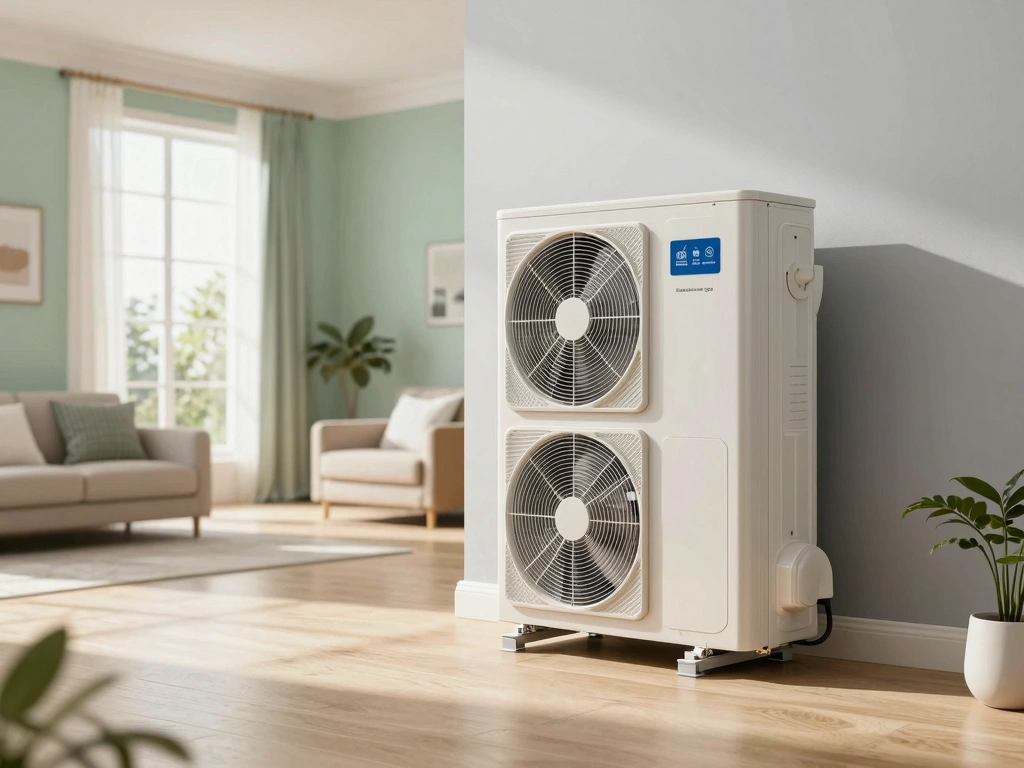
A mini split AC system, often referred to as a ductless air conditioning system, consists of two main components: an outdoor compressor/condenser unit and one or multiple indoor air-handling units. This design allows for heating and cooling a single room or multiple zones without the need for ductwork, making it an excellent option for buildings where traditional HVAC systems are impractical. The versatility of mini split systems makes them suitable for various applications, from residential homes to commercial properties.
How Does a Mini Split System Work?
Mini split systems operate using the basic principles of heat transfer. The outdoor unit absorbs outside air and extracts heat from it, even in cooler temperatures. This heat is then transferred to the refrigerant, which is pumped into the indoor unit. The indoor unit releases the cool air into the room while the refrigerant returns to the outdoor unit to repeat the cycle. This process can also be reversed, allowing the system to provide heating during colder months, making mini splits a year-round climate control solution.
Benefits of Mini Split AC Systems Over Traditional HVAC
- Energy Efficiency: Mini split systems are known for their high energy efficiency ratings. Many models have SEER (Seasonal Energy Efficiency Ratio) ratings above 20, leading to significantly lower energy bills compared to traditional HVAC systems.
- Flexible Installation: The absence of ductwork makes installation easier and less invasive. Indoor units can be mounted on walls, ceilings, or even floors, allowing for tailored solutions based on room layouts and design preferences.
- Zoning Capabilities: With mini split systems, users can control the temperature in individual rooms. This zoning capability means you can heat or cool only the rooms that are in use, enhancing comfort and reducing energy waste.
- Quiet Operation: Mini splits operate quietly, making them suitable for bedrooms, offices, and other quiet spaces where noise from traditional HVAC systems could be disruptive.
Cost Considerations for Mini Split AC Systems
Typical Installation Costs for Mini Split AC Systems
The cost of installing a mini split AC system can vary widely based on several factors, including the system's capacity, the complexity of the installation, and geographic location. On average, homeowners can expect to pay between $2,000 to $5,000 for a complete installation, which includes both units and labor. Higher-end models or complex installations may push costs above $7,000, but initial investments can be offset by long-term energy savings.
Energy Efficiency and Long-Term Savings
Energy efficiency is one of the standout features of mini split systems. Due to their advanced technology, including inverter-driven compressors that adjust cooling output based on immediate needs, users can achieve substantial long-term savings on energy bills. This efficiency translates to a shorter payback period on the initial investment, often within three to five years depending on previous energy costs and usage patterns.
Financing Options and Incentives for Buyers
Many consumers may hesitate due to the upfront costs, but various financing options and rebates are available to help mitigate these expenses. Manufacturers and local governments often provide incentives for energy-efficient upgrades, making it crucial for buyers to research available programs. Additionally, financing plans offered by HVAC retailers can allow homeowners to spread the cost over time, easing the financial burden.
Installation and Maintenance of Mini Split AC Systems
Steps to Install a Mini Split AC System
Installing a mini split AC system involves several critical steps that should ideally be performed by a qualified HVAC technician. Here’s an overview of the installation process:
- Choosing the right location for both the indoor and outdoor units.
- Mounting the indoor unit securely on the wall or ceiling.
- Installing the outdoor unit on a level surface, ensuring proper airflow and clearance.
- Connecting the refrigerant lines between the indoor and outdoor units.
- Connecting the electrical wiring and ensuring proper functionality.
- Testing the system to ensure it operates efficiently and effectively.
Maintenance Tips for Longevity of Mini Split Systems
To ensure optimal performance and longevity of mini split systems, regular maintenance is essential. Some maintenance tips include:
- Regular Cleaning: Clean or replace filters every one to three months to maintain airflow and efficiency.
- Annual Professional Inspections: Schedule yearly check-ups with a professional to assess refrigerant levels, check for leaks, and ensure all components are functioning efficiently.
- Outdoor Unit Care: Keep the outdoor unit free of debris such as leaves and snow to ensure proper airflow and efficiency.
Common Installation Challenges and Solutions
While installing a mini split system is generally straightforward, there can be challenges. Some common issues include:
- Inadequate Insulation: Poorly insulated homes may not benefit from mini splits as expected. Ensuring proper insulation can enhance performance.
- Improper Sizing: Choosing a system that is too small or too large can compromise efficiency. Consulting with an HVAC professional can ensure the right size is selected.
- Drainage Issues: Ensuring that the condensate drain is installed correctly is essential to prevent water leaks and damage.
Future Trends in Mini Split AC Technology
Innovative Features to Expect by 2026
As technology continues to evolve, mini split systems are likely to see innovative advancements. Features such as advanced air purification systems, enhanced smart home integrations allowing for seamless connectivity with other household devices, and even AI-driven temperature control may become standard by 2026.
Impact of Smart Home Technology on Cooling Systems
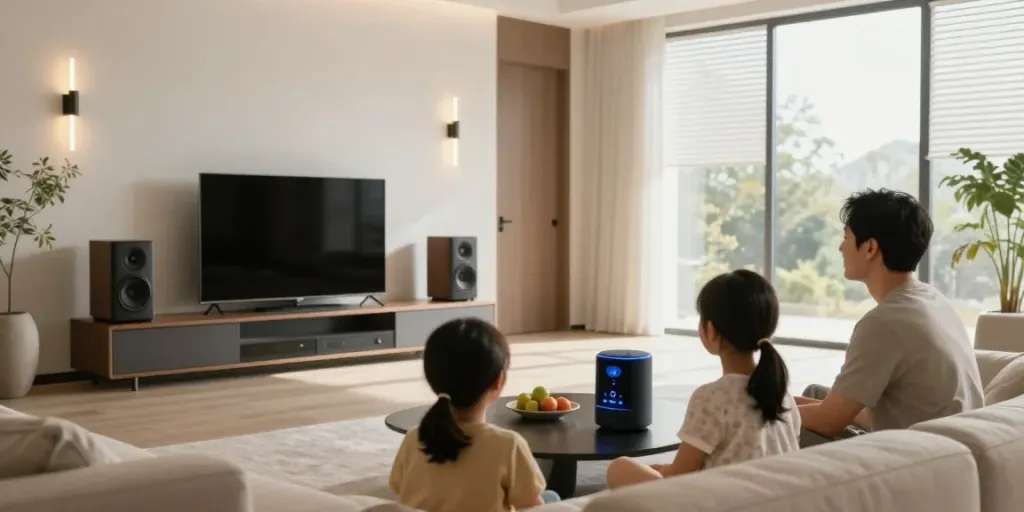
The integration of smart home technology with mini split systems will provide users with greater control and efficiency. Features such as remote access through smartphone applications, voice-controlled settings, and energy usage tracking will ensure optimal performance tailored to user habits and preferences.
Environmental Benefits and Sustainability Trends
With growing emphasis on sustainability, future mini split systems will likely incorporate eco-friendly refrigerants and further enhancements in energy efficiency. The push for reducing carbon footprints will lead manufacturers to innovate in ways that maintain comfort while promoting environmental responsibility.
Frequently Asked Questions about Mini Split AC Systems
What are the downsides of a mini split AC system?
While mini split systems have many advantages, some potential downsides include higher installation costs and aesthetic concerns, especially with visible indoor units. Additionally, if not installed properly, they may not perform at optimum efficiency.
Can a mini split AC system heat as well as cool?
Yes, many mini split systems are designed to provide both heating and cooling, making them a versatile choice for year-round comfort.
What size mini split AC system do I need?
The size of the mini split system needed depends on several factors, including the size of the space, insulation quality, and climate. A professional assessment can help determine the most appropriate size to ensure efficiency.
How do I troubleshoot my mini split AC system?
Common troubleshooting steps include checking the thermostat settings, ensuring filters are clean, and inspecting for visible blockages around the outdoor unit. If issues persist, consulting a professional is recommended.
Are mini split AC systems suitable for all climates?
Mini split systems can operate efficiently in a variety of climates, but extreme temperatures may challenge their performance. Some models are specifically designed for cold weather, making it important to choose the right system based on local climate conditions.