
Introduction to the Historic Rivalry
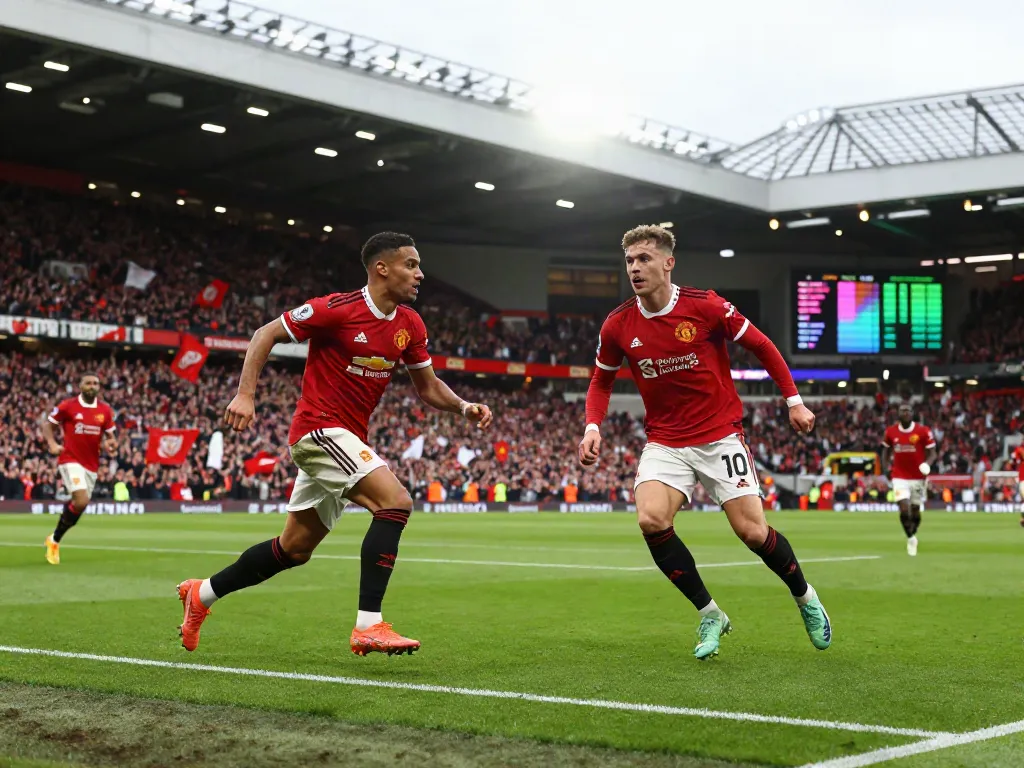
The rivalry between Manchester United and Liverpool is one of the most iconic in football history, steeped in tradition and passion. These two clubs are not merely competitors in the Premier League; they are institutions that represent the heart and soul of English football. Fans from both sides cherish their club's legacies, and each match brings a unique blend of anticipation, excitement, and historical context. This article delves into the comprehensive statistics and achievements that define their encounters, known colloquially as the "North West Derby." For those looking to explore more about their long-standing battle, a resource like สถิติแมนยู พบ ลิเวอร์พูล provides invaluable insights.
Overview of Manchester United and Liverpool's Origins
Manchester United, founded in 1878 as Newton Heath LYR Football Club, rose to prominence in the 20th century under managers like Sir Matt Busby and Sir Alex Ferguson. Liverpool, established in 1892, carved its reputation as a European powerhouse through legendary figures such as Bill Shankly and Bob Paisley. Both clubs blossomed in the post-war era, establishing a competitive spirit that intensified their rivalry. Key moments in their shared history, such as the Munich air tragedy and Liverpool's dominance in the 70s and 80s, have shaped the narrative of their encounters.
Significance of the Rivalry in Football History
The Manchester United vs. Liverpool rivalry transcends mere football; it is a cultural phenomenon intertwined with the socio-economic fabric of the cities they represent. Manchester, with its industrial heritage, and Liverpool, as a historic port city, provide a backdrop for an intense sporting rivalry that has produced countless memorable moments. When these two clubs face off, it is not just a battle for three points; it's a clash of identities, history, and pride.
Evolution of Fan Engagement and Culture
Over the decades, the fan experience surrounding this rivalry has evolved dramatically. From the terraces of Old Trafford and Anfield to the digital age where social media plays a vital role, supporters express their fervor in various ways. The chants, the atmosphere, and the camaraderie among fans showcase a vibrant culture that endures regardless of the era. As both teams have transitioned into the modern age, the engagement methods have diversified, further enriching this storied rivalry.
All-Time Encounter Statistics
Analyzing the statistics of Manchester United and Liverpool's encounters offers a clear picture of their historical rivalry. Throughout various competitions, the clubs have met numerous times, resulting in a formidable collection of statistics. Key figures such as match wins, draws, total goals scored, and standout players contribute to the narrative of who reigns supreme. Understanding these figures not only highlights the competition's intensity but also allows fans to appreciate the skill and dedication both teams display on the pitch.
Overall Match Wins and Draws
As of May 2026, the all-time record stands at a near stalemate, with Manchester United winning 91 matches, Liverpool 82, and the remaining 70 ending in draws. This statistic underscores the competitiveness of both sides across various competitions, including the Premier League, FA Cup, and League Cup. Each match played contributes to their mutual lore, with each victory carrying weight in the hearts of their supporters.
Goals Scored and Key Players Historically
In terms of goals scored, historically, Manchester United leads, having netted 296 goals against Liverpool's 294. This narrow margin emphasizes the high stakes during each encounter, with notable players contributing to the tally. Legendary figures like Sir Bobby Charlton and Mohamed Salah have left an indelible mark on this rivalry, and their respective contributions continue to spark discussions among fans.
Head-to-Head Records Analysis
The analysis of head-to-head records shows patterns and streaks that have defined each club's approach to the rivalry. For instance, Manchester United maintained a dominant position throughout the 1990s and 2000s, while Liverpool has enjoyed recent success, particularly with their remarkable performances in the 2020s. The dynamics of this rivalry shift as players come and go, but the passion remains constant.
Achievements and Trophies Comparison
When it comes to silverware, both clubs boast impressive records. A comparison of their achievements sheds light on the evolution of their respective legacies. Key trophies such as the Premier League, FA Cup, and UEFA Champions League illustrate their status in both English and European football. By examining their trophy hauls, fans can gain a clearer perspective on which club has had the upper hand over the decades.
Major Honors Won by Each Club
- Manchester United: 20 Premier League titles, 12 FA Cups, and 3 UEFA Champions League titles.
- Liverpool: 20 Premier League titles, 8 FA Cups, and 6 UEFA Champions League titles.
While both clubs have amassed 20 top-flight titles, Liverpool's success in Europe, with six Champions League trophies, distinguishes them in a continental sense. These accomplishments fuel the rivalry, as each club's supporters proudly advocate for their respective histories and achievements.
Trends in Trophy Wins Over the Years
The trajectory of trophy wins reveals trends indicating periods of dominance. Manchester United's golden era in the 1990s and early 2000s saw them dominate English football, whereas Liverpool's resurgence under Jürgen Klopp has rejuvenated their position, marked by a Champions League title in 2019 and a Premier League title in 2020 after a 30-year wait.
Impact of Trophies on Fan Perspectives
For fans, the number of trophies won is integral to their identity and allegiance to the club. Each trophy carries stories of joy, heartbreak, and unforgettable moments. The impact of these successes shapes the narratives that fans tell, making the rivalry more than just a competition; it becomes a tapestry of emotions and community.
Performance Metrics: Goals, Assists, and More
Beyond trophy counts, the performance metrics of both teams provide further insight into the rivalry. Key statistics, including goals scored, assists, and other notable achievements, help illustrate the quality of football played by each side. This analytical approach allows fans to understand how their teams contribute to the tactical evolution of the sport.
Comparison of Goals Scored in Key Matches
Key matches in this rivalry often see an abundance of goals, with the highest-scoring encounter being Liverpool's 7-0 victory in 2023, a result that remains etched in the memories of fans. Such matches are not just about the final score but the narratives surrounding them, with individual brilliance often stealing the spotlight.
Assists Leaders from Both Teams
In terms of assists, Manchester United leads with 1,659 assists in the Premier League, while Liverpool trails slightly behind with 1,590. This metric reveals the creative prowess of players such as Bruno Fernandes and Mohamed Salah, whose ability to set up goals has defined their teams' attacking strategies over the years.
Key Performance Metrics Over Recent Seasons
Recent seasons have shown shifts in performance metrics as teams adapt to ever-changing tactical approaches. The 2024/25 season saw a noticeable increase in attacking play from both clubs, resulting in more goals and assists than ever before. These trends suggest an exciting future for encounters between the two teams as they continue to push each other to new heights.
Emerging Trends and Future Outlook
While the historical context is rich, the present and future outlook of this rivalry remains equally important. Understanding current performance and potential changes within each club helps fans anticipate what’s next for their teams.
Current Form and Team Strength Analysis
As of the current 2025/26 season, both Manchester United and Liverpool are showing promising signs of strength. With Manchester United's blend of youth and experience and Liverpool's tactical flexibility, each match remains unpredictable. The clubs' current forms suggest an exhilarating continuation of their rivalry, with both sides striving for supremacy.
Potential Changes Ahead for Both Teams
With the football landscape constantly evolving, potential changes such as managerial shifts, player transfers, and the emergence of new talents could influence the rivalry significantly. The unpredictability of football means that both clubs must remain agile and adaptable to maintain their competitive edge.
Predictions for Upcoming Matches in 2026
Looking forward, matches between Manchester United and Liverpool are anticipated to remain fiercely contested. With both clubs aiming to solidify their legacy and achieve further success, fans can expect matches that encapsulate the intensity and drama that this rivalry is known for. The passion surrounding these matches ensures that they remain the highlight of the football calendar.
Frequently Asked Questions
Who has won more matches, Manchester United or Liverpool?
Historically, Manchester United holds a slight edge with 91 wins compared to Liverpool's 82 in all competitions. However, the margin is narrow, underscoring the competitiveness of this rivalry.
What are the most memorable games between the two teams?
Memorable matches include Liverpool's 7-0 win in 2023 and Manchester United's thrilling comeback victories in the early 2000s. Each game adds layers to the rich narrative of their rivalry.
How do the teams' statistics compare in the latest season?
In the 2025/26 season, both teams have showcased strong attacking capabilities, with increasing goals and assists that reflect their ambitions and tactical strengths.
Which players have made the biggest impact in this rivalry?
Notable players include Sir Bobby Charlton, Mohamed Salah, and more recently, Bruno Fernandes, who have all made significant contributions to their respective clubs during critical moments in the rivalry.
What can fans expect in future encounters?
Fans can expect thrilling matches filled with drama, high stakes, and exceptional performances as both clubs continue their battle for supremacy in English football.