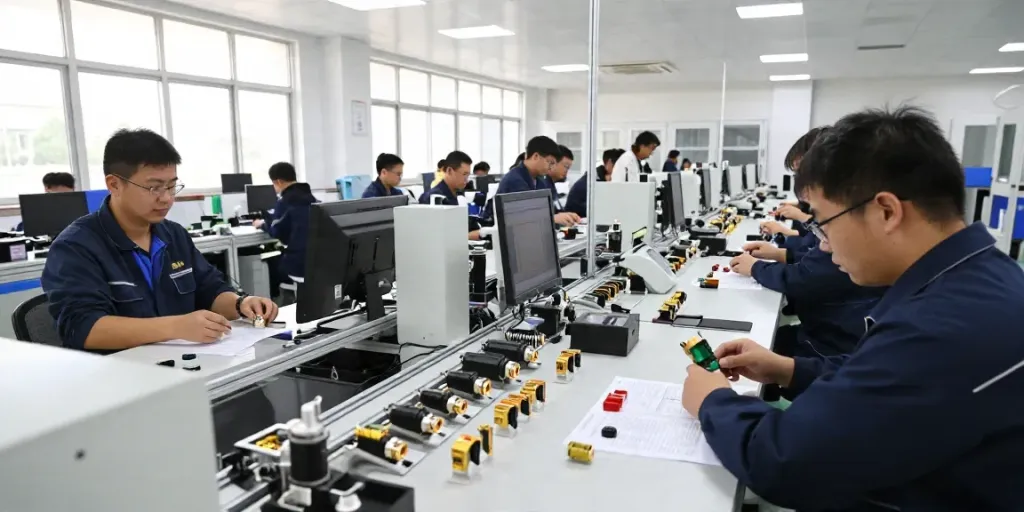
Understanding Industrial Power Connectors
Industrial power connectors play a critical role in ensuring reliable electrical connections across various applications and industries. These connectors are designed to manage higher voltages and currents, making them essential for environments where standard connectors simply cannot perform. As industries evolve, so does the demand for advanced, durable solutions that not only meet safety standards but also enhance efficiency. When exploring options, Industrial power connectors provide comprehensive insights into the specifications and applications tailored for diverse sectors.
What Are Industrial Power Connectors?
Industrial power connectors are specialized connectors designed to facilitate the safe transfer of electrical power in demanding settings. Unlike standard household connectors, these connectors are built to withstand harsh conditions, including extreme temperatures, moisture, and physical stress. Industrial power connectors often feature robust design elements such as locking mechanisms, water-tight seals, and high-quality materials to ensure long-lasting performance.
Types of Industrial Power Connectors
There are several types of industrial power connectors, each suited for specific applications. Below are some of the most common types:
- IEC Connectors: These connectors are internationally recognized and are commonly used for appliances requiring high voltage up to 250V AC.
- CEE Connectors: Designed for industrial applications, CEE connectors are available in three-phase configurations, suitable for heavy-duty machines.
- Pin and Sleeve Connectors: Ideal for portable power applications, these connectors allow for easy connection and disconnection while ensuring safe operation even in challenging environments.
- Relay Sockets: Relay sockets serve as mounting solutions for relays, providing connections for various types of control mechanisms.
- Custom Connectors: Many companies, like LANZ Electronics, offer custom solutions to meet specific operational requirements.
Applications Across Industries
Industrial power connectors find applications in a variety of sectors, reflecting their versatility:
- Manufacturing: Used in machinery for powering heavy equipment and automation systems.
- Telecommunications: Essential for connecting power to networking equipment and data centers.
- Renewable Energy: Used in wind turbines and solar panels to manage power supply effectively.
- Medical Equipment: Ensures safe and reliable power connections in hospitals and laboratories.
- Transportation: Vital for charging electric vehicles (EV) and supporting infrastructure.
Benefits of Industrial Power Connectors
The advantages of utilizing industrial power connectors extend beyond just basic functionality. Here are some key benefits:
Enhanced Safety Features
Safety is paramount in industrial settings. Industrial power connectors are designed with enhanced safety features such as locking mechanisms, grounding, and insulation that significantly reduce the risk of electrical hazards. This is especially important in high-voltage applications where safety compliance is non-negotiable.
Improved Efficiency and Performance
Industrial connectors offer better performance than standard connectors, especially in high-demand situations. Features like low contact resistance and high current ratings ensure efficient power transmission, reducing energy loss and improving the overall operational efficiency of equipment.
Cost-Effectiveness and Durability
While the initial investment in industrial power connectors may be higher, their durability and reliability lead to reduced maintenance and replacement costs over time. Their robust design allows them to withstand wear and tear, which is essential for applications in harsh environments.
Choosing the Right Industrial Power Connector
When selecting industrial power connectors, it's important to consider several factors that align with specific operational needs.
Key Specifications to Consider
Key specifications include voltage rating, current capacity, environmental ratings (such as IP ratings), and compatibility with existing systems. Manufacturers often provide detailed data sheets that outline these specifications, making it easier for engineers to make informed decisions.
Industry-Specific Requirements
Different industries may have unique requirements based on regulatory standards or operational needs. For instance, connectors used in medical applications must comply with specific safety standards, while those in the telecom sector need to support high data rates. Understanding these requirements will help in selecting the right connector.
Custom Solutions and Engineering
Many manufacturers offer custom engineering solutions for industrial power connectors. Whether it’s modifying existing designs or creating completely new configurations, working with a supplier like LANZ Electronics can help companies meet their specific needs efficiently.
Installation and Maintenance Practices
Proper installation and maintenance of industrial power connectors are critical to ensuring safety and reliability.
Best Practices for Installation
Adhering to best practices during installation can prevent common issues and extend the lifespan of connectors. This includes following the manufacturer’s guidelines, ensuring proper torque settings for connections, and conducting visual inspections prior to use.
Common Pitfalls to Avoid
Some common pitfalls include over-tightening connectors, neglecting to secure locking mechanisms, and failing to inspect for wear and damage. It’s crucial to train personnel on proper handling and installation techniques to avoid these mistakes.
Sustaining Performance Over Time
To maintain optimal performance, regular maintenance checks should be implemented. This includes cleaning connections, checking for corrosion, and monitoring the performance of connectors in operation.
Future Trends in Industrial Power Connectors
As technology evolves, so will industrial power connectors. Below are anticipated trends that may shape the industry:
Innovations and Technological Advancements
Innovations such as smart connectors that can provide real-time data on performance and condition are on the rise. These connectors will enable improved monitoring and predictive maintenance, enhancing overall operational efficiency.
Regulatory Changes and Compliance
With the ever-evolving landscape of regulatory standards, manufacturers will need to stay ahead of compliance requirements. Emerging regulations may focus on sustainability and environmental impact, urging manufacturers to rethink their materials and processes.
Market Predictions for 2026
The market for industrial power connectors is expected to witness significant growth, driven by the increasing demand for automation and efficient power solutions in industries such as manufacturing, renewable energy, and electric vehicles. Companies that adapt to these changes and continue to innovate will be well-positioned for success in the coming years.