
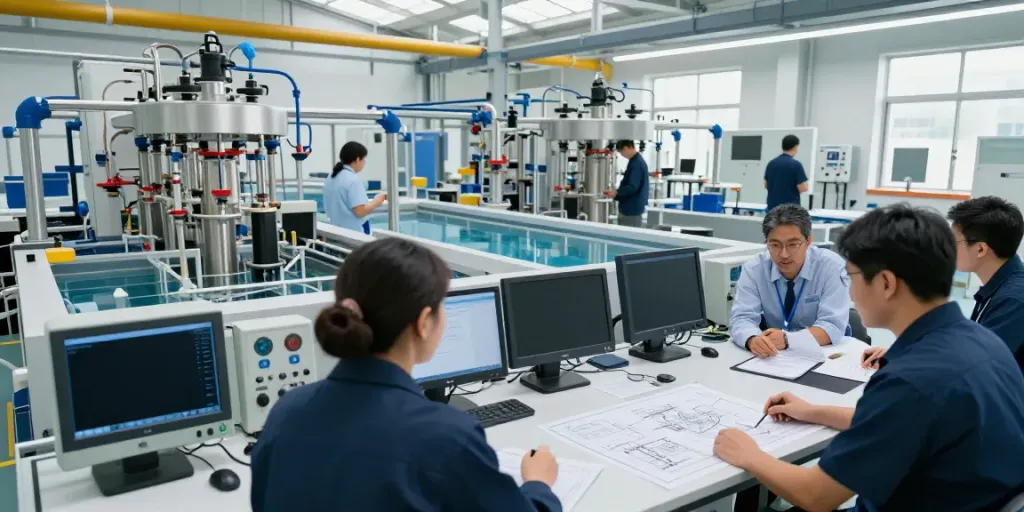
Understanding Modular Water Treatment Equipment
In an era where environmental sustainability is paramount, modular water treatment systems have emerged as crucial tools in managing water quality across various industries. These solutions are designed to be adaptable, scalable, and efficient, addressing diverse water treatment challenges with ease. As industries grapple with increasing regulations and the demand for clean water, the role of a reliable Water Treatment Equipment Supplier becomes even more critical. This article explores the intricacies of modular water treatment equipment, their applications, and how to choose the right supplier for your needs.
What is Modular Water Treatment?
Modular water treatment refers to a flexible and adaptable approach to designing water treatment systems. These systems can be easily scaled to meet demand and can be deployed quickly in various settings. Unlike traditional, fixed systems, modular solutions allow facilities to tailor their water treatment processes according to specific requirements.
Key Benefits of Modular Systems
- Scalability: Modular systems can be expanded as demand increases, making them ideal for growing industries.
- Cost-Effectiveness: By investing in only the modules needed, businesses can reduce initial capital expenditure.
- Ease of Installation: Modular systems are typically pre-fabricated and can be installed rapidly, minimizing downtime.
- Flexibility: These systems can be adapted for various applications, from industrial to municipal water treatment.
Applications Across Industries
Modular water treatment systems are versatile and find applications across numerous sectors. In industries such as chemical, food, textile, electricity, and petrochemicals, these systems ensure compliance with regulatory standards while providing reliable water treatment solutions. Their adaptability also makes them suitable for municipal water treatment, where varying flows and quality are frequent challenges.
Choosing the Right Water Treatment Equipment Supplier
Selecting a suitable supplier for water treatment equipment is essential for the success of any project. With numerous options available, it is critical to evaluate potential suppliers carefully to ensure they meet your specific needs.
Evaluating Supplier Capabilities
When assessing a water treatment equipment supplier, consider their product range, technological capabilities, and customer support. A supplier with a diverse range of modular systems and advanced technologies can provide tailored solutions that align with your operational goals.
Factors to Consider for Quality Assurance
- Certifications: Ensure the supplier's products meet international quality standards and certifications.
- Testing and Validation: Look for suppliers who conduct rigorous testing on their systems to guarantee efficiency and reliability.
- Maintenance Support: Quality suppliers provide post-installation support, including maintenance and troubleshooting services.
Importance of Industry Experience
Experience in the water treatment industry can significantly affect the quality of service and products offered. Suppliers with a proven track record are likely to have faced various challenges and can offer solutions based on real-world applications.
Innovations in Water Treatment Technologies
The water treatment industry is continuously evolving, with innovations driving improvements in efficiency and effectiveness. Understanding these advancements is vital for selecting the best equipment and processes.
Integrated Chemical Process Systems Explained
Integrated Chemical Process Systems represent a significant advancement in water treatment technology. These solutions utilize intelligent control algorithms, advanced sensors, and automation to optimize chemical dosing processes. The result is enhanced accuracy, reduced chemical waste, and improved safety in operations.
The Role of Membrane Elements
Membrane technology is at the heart of many modern water treatment systems. These elements efficiently filter contaminants from water, making them essential in advanced treatment processes such as reverse osmosis and nanofiltration. Their effectiveness in producing high-quality water has made them a preferred choice in various applications.
Future Trends in Water Treatment Solutions
- Sustainability: As environmental standards become stricter, the demand for sustainable water treatment solutions is expected to rise.
- Digitalization: Innovations in IoT and AI will enable smarter water treatment systems, improving monitoring and predictive maintenance.
- Customization: The trend towards personalized water treatment solutions tailored to specific industry needs will continue to grow.
Implementing Effective Water Treatment Solutions
Implementing a water treatment solution requires careful planning and execution. Understanding the steps involved can help streamline the process and ensure successful outcomes.
Steps for Custom Equipment Integration
- Needs Assessment: Identify specific water treatment needs based on industry regulations and operational goals.
- System Design: Work with suppliers to design a custom system that meets identified needs.
- Installation: Ensure a seamless installation process with minimal disruption to ongoing operations.
- Training: Provide adequate training for personnel who will operate and maintain the systems.
Challenges in Implementation and Solutions
Challenges such as equipment compatibility, regulatory compliance, and staff training can arise during the implementation phase. Prioritizing effective communication with suppliers and drawing on their expertise can help mitigate these challenges.
Measuring Performance and Efficiency
Establishing metrics for performance evaluation is crucial after implementing a water treatment system. Regular monitoring and maintenance are essential to ensure the system operates efficiently and complies with environmental regulations.
Partnership and Collaboration Benefits
Establishing a robust partnership with a water treatment equipment supplier can provide numerous advantages that extend beyond the initial procurement of systems.
Developing Long-term Supplier Relationships
Long-term relationships with suppliers can foster collaboration, enabling customization and refinement of water treatment solutions that evolve with industry changes.
Shared Goals for Environmental Compliance
Working with suppliers who prioritize environmental compliance can enhance a company’s reputation and ensure adherence to regulations, ultimately reducing risks associated with non-compliance.
Case Studies of Successful Collaborations
Collaborative projects often yield innovative solutions. Case studies highlighting successful partnerships can provide insights into best practices and effective strategies.
What are the largest water treatment companies?
Top companies in the water treatment sector, such as Veolia, SUEZ, and Xylem, have consistently demonstrated leadership in innovation and sustainability. Understanding their methods can offer valuable lessons for other organizations.
How to start a water treatment business?
Starting a water treatment business involves understanding market needs, regulatory requirements, and establishing a reliable supply chain. Careful planning and industry research are paramount to success.
Who makes the best water treatment system?
The best water treatment system varies by application and industry. Evaluating systems based on efficiency, reliability, and adaptability to changing regulations is essential.
What are the top 5 water treatment companies in the world?
Leading companies like Aquatech, Evoqua, and Calgon Carbon rank among the top five globally, known for their innovative solutions and extensive industry experience.